Subtotal $0.00




Email : 7
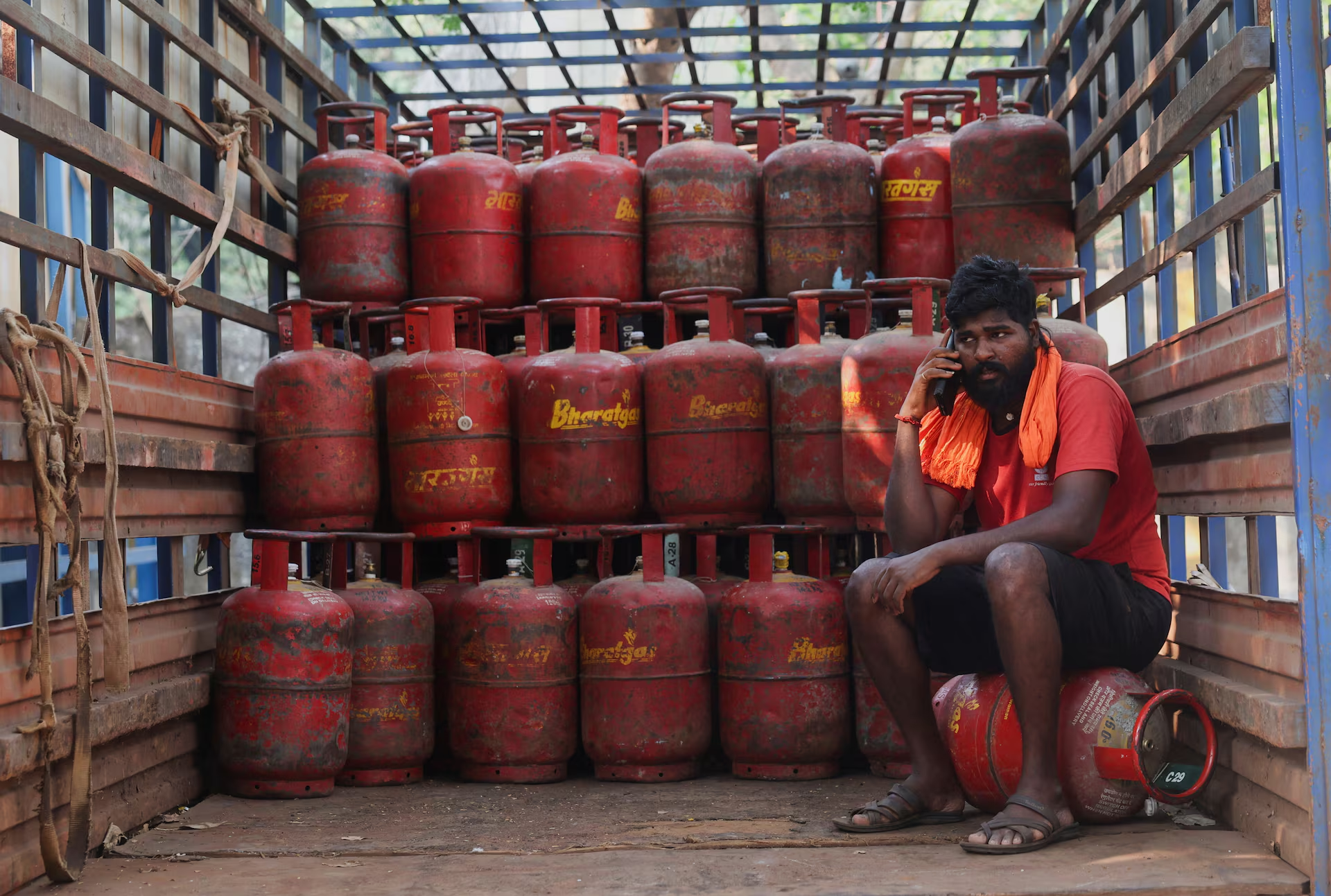
India is facing a potential LPG supply crisis as rising global tensions around the Strait of Hormuz begin to disrupt the steady flow of fuel imports. The situation has raised concerns across the country, especially among households and small businesses that rely heavily on liquefied petroleum gas (LPG) for daily use.
With a significant portion of India’s LPG imports passing through this crucial maritime route, any disruption has immediate consequences on supply, pricing, and availability.
What is Causing the LPG Crisis?
The Strait of Hormuz is one of the world’s most important oil and gas transit routes. A large percentage of global energy supplies, including LPG, passes through this narrow waterway.
Recent geopolitical tensions in the region have led to shipping delays, increased security risks, and rising transportation costs. These disruptions are now affecting countries like India that depend on imports to meet their energy demands.
Impact on Indian Households
1. Rising LPG Prices
One of the most immediate effects of the crisis is the increase in LPG cylinder prices. Higher import costs and logistical challenges are being passed on to consumers.
2. Supply Shortages
Many regions may experience delays in LPG cylinder deliveries. This can disrupt daily cooking routines, especially in households that rely solely on LPG.
3. Increased Financial Burden
For middle-class and lower-income families, rising LPG costs can strain monthly budgets, forcing them to look for alternative cooking solutions.
Impact on Businesses
The LPG shortage is not limited to households—it is also affecting businesses across various sectors.
1. Restaurants and Food Industry
Hotels, restaurants, and street food vendors depend heavily on LPG. Supply disruptions can directly impact their operations and profitability.
2. Small-Scale Industries
Many small businesses use LPG for manufacturing and processing. Increased costs and irregular supply can slow down production and reduce efficiency.
3. Transportation Costs
Some commercial vehicles and logistics operations that rely on LPG are also feeling the pressure, leading to higher operational costs.
Government Response
The Indian government is closely monitoring the situation and exploring measures to stabilize supply and control prices. Efforts may include diversifying import sources, increasing domestic production, and releasing buffer stocks.
Authorities are also working with oil companies to ensure that essential supplies reach consumers without major disruptions.
Possible Solutions and Alternatives
1. Diversifying Energy Sources
Encouraging the use of alternative fuels like electric cooking appliances or piped natural gas (PNG) can reduce dependence on LPG.
2. Strategic Reserves
Building and maintaining strategic fuel reserves can help manage short-term disruptions in supply.
3. Improving Infrastructure
Strengthening storage and distribution networks can make the system more resilient during global crises.
What Should Consumers Do?
While the situation is still evolving, consumers can take a few steps to manage potential shortages:
- Use LPG efficiently to extend cylinder usage
- Book refills in advance to avoid last-minute shortages
- Explore alternative cooking options if available
- Stay updated with official announcements
Global Implications
The LPG crisis highlights how interconnected global energy markets are. Any disruption in key regions like the Strait of Hormuz can have far-reaching effects on countries worldwide.
For India, this situation underscores the importance of energy security and the need to reduce reliance on external sources.
Final Thoughts
The ongoing LPG supply concerns in India serve as a reminder of the challenges posed by global geopolitical tensions. While the situation may stabilize in the coming weeks, its impact is already being felt across households and businesses.
Timely government action, along with consumer awareness, will be key to managing this crisis effectively.
As developments continue, staying informed and prepared will help minimize the impact of this emerging LPG shortage.