Subtotal $0.00




Email : 8
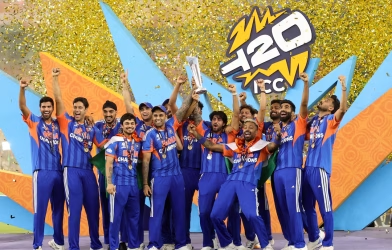
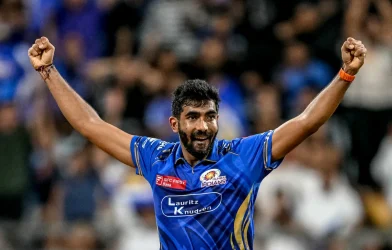
The captaincy debate in the Mumbai Indians has once again sparked intense discussions among cricket fans, experts, and former players. One of the most notable voices in this debate has been Ravichandran Ashwin, who questioned why Suryakumar Yadav was not chosen as captain despite his recent success in the T20 format, especially following India’s strong performances in the T20 World Cup.
This discussion is not just about a single decision—it reflects deeper questions about leadership, team strategy, player form, and the future direction of one of the most successful franchises in IPL history.
The Background of Mumbai Indians’ Leadership
The Mumbai Indians have been one of the most dominant teams in the history of the Indian Premier League (IPL). Much of their success has been built around strong leadership. For many years, the team was led by Rohit Sharma, who guided them to multiple IPL titles and established a winning culture.
However, as time progresses, every team faces a transition phase. Leadership changes become necessary, especially when teams are looking to rebuild or bring in fresh ideas. This is where the debate begins—who should take over the responsibility of leading the team into the next era?
Suryakumar Yadav: A Strong Contender
Suryakumar Yadav, often referred to as SKY, has emerged as one of the most explosive and innovative batters in modern T20 cricket. His performances for India in recent years, particularly in T20 internationals, have been nothing short of extraordinary.
He has:
-
Consistently scored runs at a high strike rate
-
Played match-winning innings under pressure
-
Demonstrated a wide range of shots, making him unpredictable for bowlers
-
Shown composure in high-stakes matches
After his impressive performances in the T20 World Cup, many believed that he had not only cemented his place as a key player but also proved his ability to handle pressure—an essential trait for any captain.
Ravichandran Ashwin’s Perspective
Ravichandran Ashwin, known for his sharp cricketing mind and honest opinions, raised a valid question: why wasn’t Suryakumar Yadav considered for captaincy?
Ashwin’s argument revolves around a few key points:
-
Form and Confidence
A player in top form often commands respect in the dressing room. Suryakumar’s recent success would naturally make him a strong leader figure. -
Modern T20 Understanding
T20 cricket is evolving rapidly, and Suryakumar is one of the few players who truly understands the modern dynamics of the format. -
Calm Under Pressure
His ability to perform in crunch situations suggests he has the temperament required for captaincy.
Ashwin’s comments reflect a broader sentiment among fans who feel that leadership should reward current performance and adaptability.
Why Was He Not Chosen?
While Suryakumar Yadav seems like an ideal candidate, team management decisions are rarely straightforward. Several factors could have influenced Mumbai Indians’ choice.
1. Experience in Leadership Roles
Although Suryakumar is a senior player, he has limited experience leading teams at the highest level. Franchises often prefer captains who have prior leadership exposure.
2. Long-Term Vision
Teams like Mumbai Indians often think long-term. They may prefer grooming a younger captain who can lead the team for several years.
3. Team Dynamics
Captaincy is not just about individual brilliance. It involves managing players, handling egos, and making tactical decisions. The management might have felt someone else was better suited for that role.
4. Workload Management
Suryakumar is a crucial batter for both franchise and national team. Adding captaincy responsibilities could increase pressure and affect his performance.
The Role of Leadership in T20 Cricket
Captaincy in T20 cricket is very different from other formats. It requires:
-
Quick decision-making
-
Innovative field placements
-
Effective use of bowlers
-
Strong communication with players
-
Ability to stay calm in fast-changing situations
A captain must think several steps ahead, often under immense pressure. While Suryakumar has shown brilliance as a batter, captaincy demands a different skill set.
Comparing Suryakumar with Other Captains
To understand the debate better, it helps to compare Suryakumar with other successful T20 captains.
Rohit Sharma
-
Proven track record
-
Excellent man-management skills
-
Calm and composed under pressure
MS Dhoni
-
Known for sharp cricketing brain
-
Exceptional decision-making
-
Ability to back players
Hardik Pandya
-
Aggressive approach
-
Fearless leadership style
-
Willingness to take risks
Suryakumar, while exceptional as a batter, is still untested as a leader at this level. This could be one reason why the management hesitated.
Fan Reactions and Social Media Buzz
The debate has gained massive traction on social media. Fans are divided into two groups:
Supporters of Suryakumar Yadav
-
Believe he deserves captaincy based on performance
-
Feel he represents modern T20 cricket
-
Want a fresh approach to leadership
Supporters of Management’s Decision
-
Trust the team’s long-term strategy
-
Believe experience matters more than current form
-
Prefer stability over experimentation
This divide shows how passionate cricket fans are about leadership decisions.
The Importance of Timing
Sometimes, it’s not about whether a player is capable—it’s about timing. Suryakumar Yadav might very well become a captain in the future, but the management may feel that the current moment is not ideal.
Timing in cricket is crucial:
-
A player at peak performance might be better utilized focusing solely on batting
-
Leadership roles may come naturally as a player gains more experience
-
Teams often wait for the right phase to make leadership changes
Could This Decision Backfire?
Every decision in cricket comes with risks. If the chosen captain fails to deliver, questions will naturally arise about why Suryakumar was overlooked.
Possible consequences include:
-
Increased pressure on the current captain
-
Continued criticism from experts like Ashwin
-
Fan dissatisfaction
On the other hand, if the team performs well, the decision will be justified, and the debate will fade away.
What Lies Ahead for Suryakumar Yadav?
Even if he is not the captain right now, Suryakumar Yadav’s future remains bright.
He could:
-
Continue to dominate as a batter
-
Gradually take on leadership responsibilities
-
Become a captain in the future when the timing is right
Sometimes, not being captain allows a player to focus on their primary role and perform even better.
Final Thoughts
The captaincy debate in Mumbai Indians highlights the complexity of decision-making in modern cricket. While Ravichandran Ashwin’s question is valid and thought-provoking, it also reminds us that team management decisions are based on multiple factors, not just individual performance.
Suryakumar Yadav has undoubtedly proven himself as one of the best T20 players in the world. Whether or not he becomes captain, his impact on the game is undeniable.
In the end, cricket is a team sport. Leadership is important, but so is balance, strategy, and long-term vision. The Mumbai Indians management has made its choice, and only time will tell whether it was the right one.
One thing is certain—the debate has added another layer of excitement to the IPL, and fans will be watching closely to see how this story unfolds.